We don't see restoration as simply improving structures. We see it as preserving what gives a place its meaning- its character, its history and the connections people have to it.

This work comes together through what we are calling The Gainesboro Project- a collection of thoughtfully restored spaces centered around the town square and surrounding community. Each initiative plays a different role, but all share the same purpose: to support how people gather, stay and experience Gainesboro.

By restoring these spaces and putting them back into active use, we help to enliven the rhythm of the town- creating places where people can connect in ways that feel natural and familiar.

We are not redefining Gainesboro. We simply want to participate in what's taking shape- to help ensure that what has always made this place special continues to be seen, experienced and carried forward through spaces that are cared for and built to last.

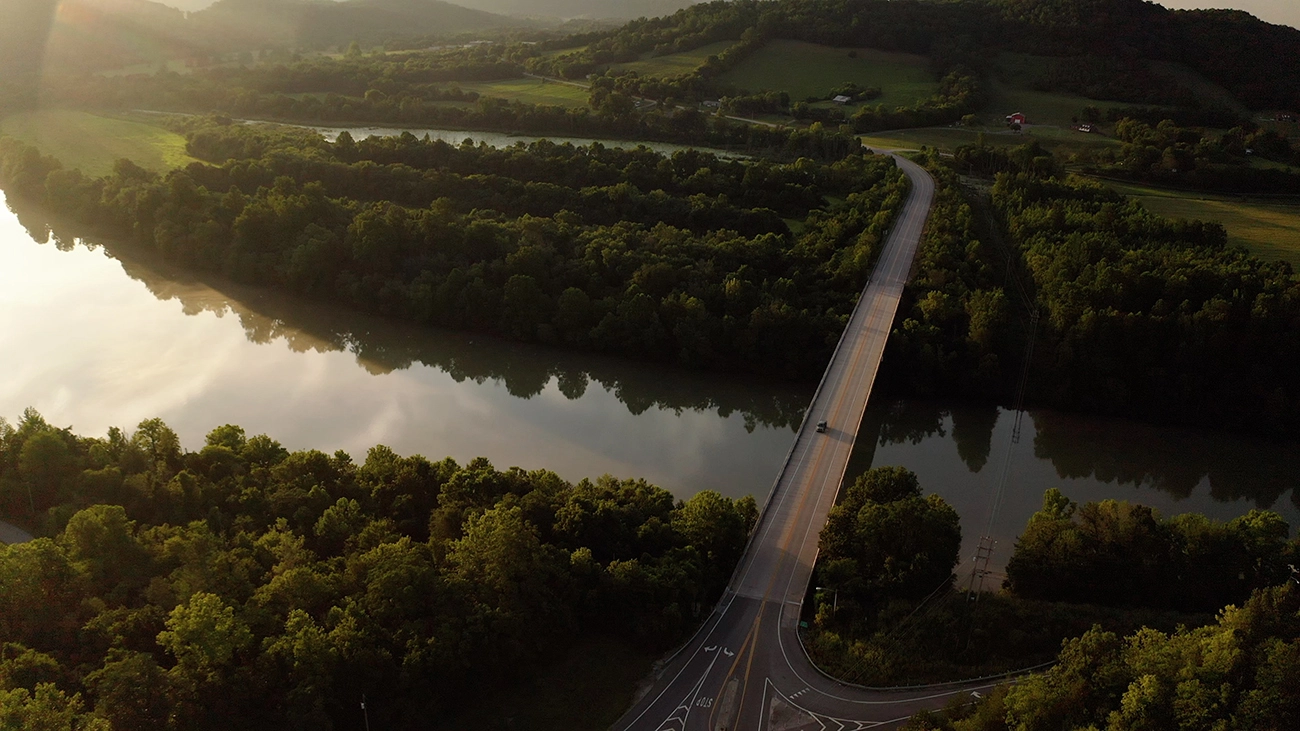
Aerial view of river and landscape near Gainesboro

Gainesboro History

Prehistoric Occupation

The Upper Cumberland Valley attracted Indigenous peoples for millennia, drawn by the Cumberland River's rich resources. Paleo-Indian tools and archaic shell middens confirm thousands of years of continuous habitation along the riverbanks.
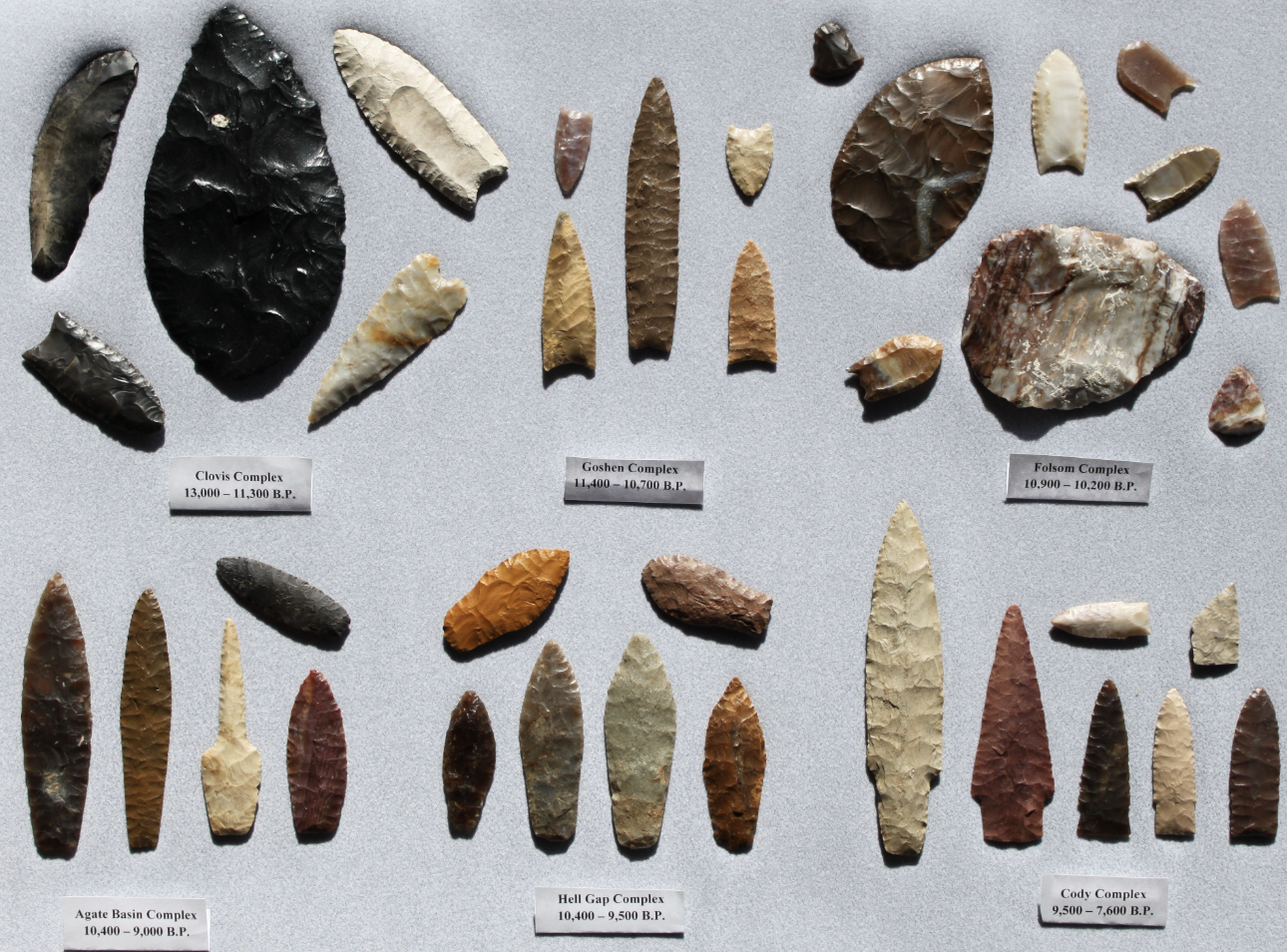
Artifacts from prehistoric occupation
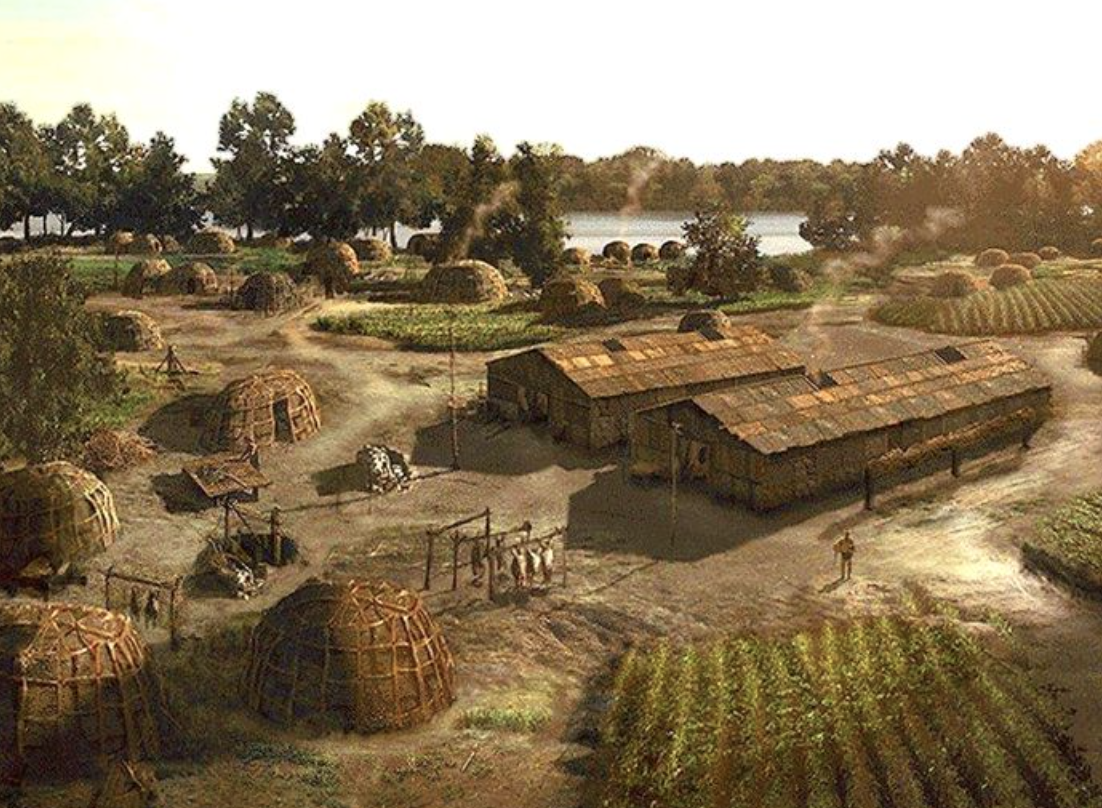
Native American era illustration

Native American Era

Cherokee and Shawnee peoples dominated the region, using it primarily as a shared hunting ground. The Cumberland River served as a vital travel and trade corridor, and the area's abundant game made it a contested but prized territory among tribes.
Long Hunters and Early Exploration

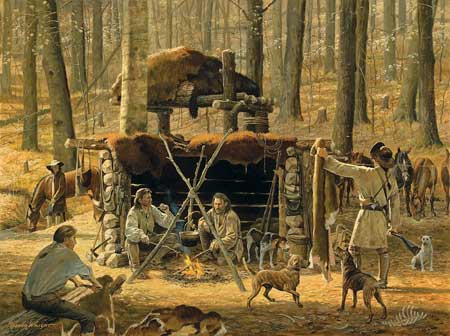
English and Scots-Irish long hunters pushed into the Upper Cumberland, drawn by reports of extraordinary wildlife. Figures like Kasper Mansker and others passed through present-day Jackson County, mapping the terrain and establishing trails that would guide future settlers.

Long hunters and early frontier exploration illustration
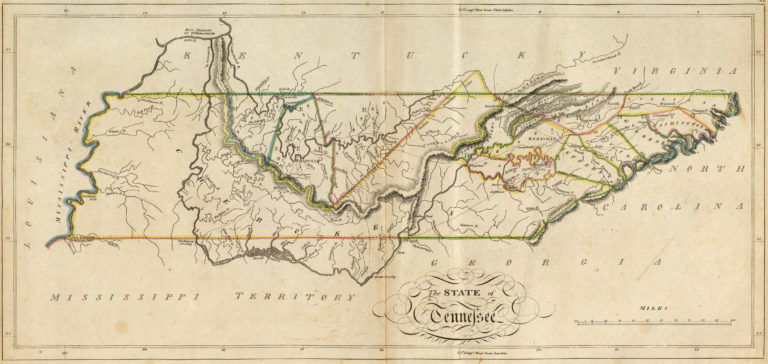
Historic map showing early settlement and county formation

Early Settlement and County Formation

Jackson County was established in 1801, carved from Smith County and named for Andrew Jackson. Gainesboro was founded as the county seat, platted along the Cumberland River, and quickly became a hub for the region's small but growing settler population.

Antebellum Growth

Gainesboro developed as a modest river town, with the Cumberland providing a trade lifeline to Nashville and beyond. Small farms, mills, and courthouses defined the landscape, while the town grew around a self-sufficient agricultural economy typical of Middle Tennessee's hill country.

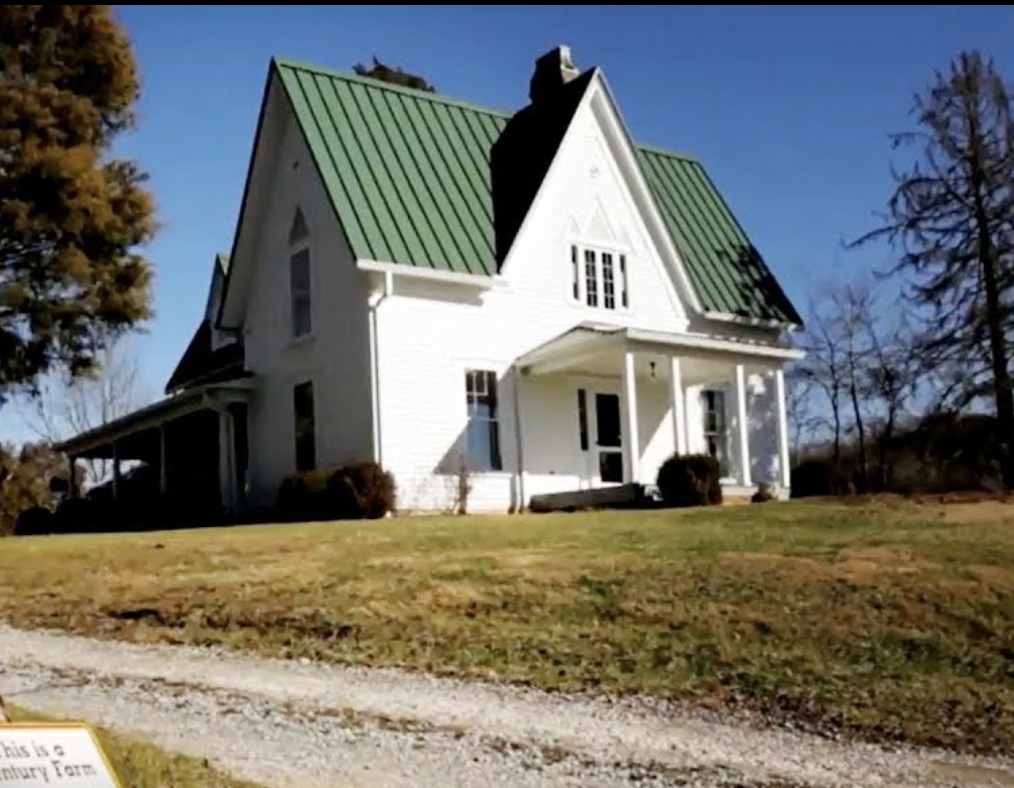
Historic home and antebellum-era Gainesboro scene
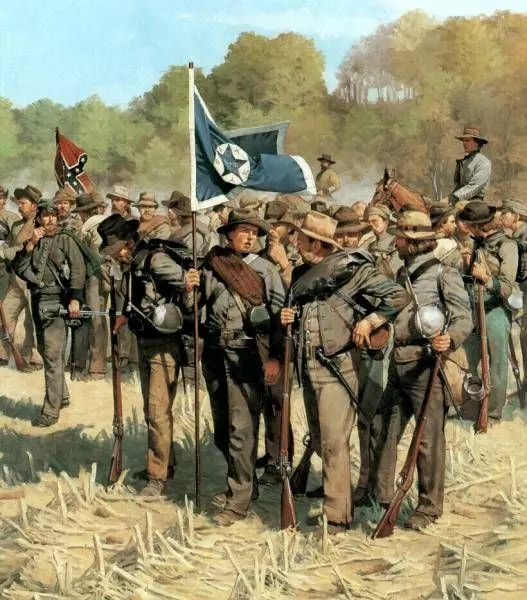
Civil War soldiers illustration

Civil War

Jackson County was deeply divided, reflecting Tennessee's broader internal conflict. The region saw guerrilla skirmishes, Union raids, and significant civilian hardship. Many locals sympathized with the Union, making the county a contested ground throughout the war.

Post-War Reconstruction and Isolation

Recovery was slow in the rugged Upper Cumberland. Limited railroad access kept Gainesboro relatively isolated compared to more prosperous Tennessee towns, yet small-scale commerce and river trade continued to sustain the community well into the 19th century.

Post-war or reconstruction era scene in Gainesboro
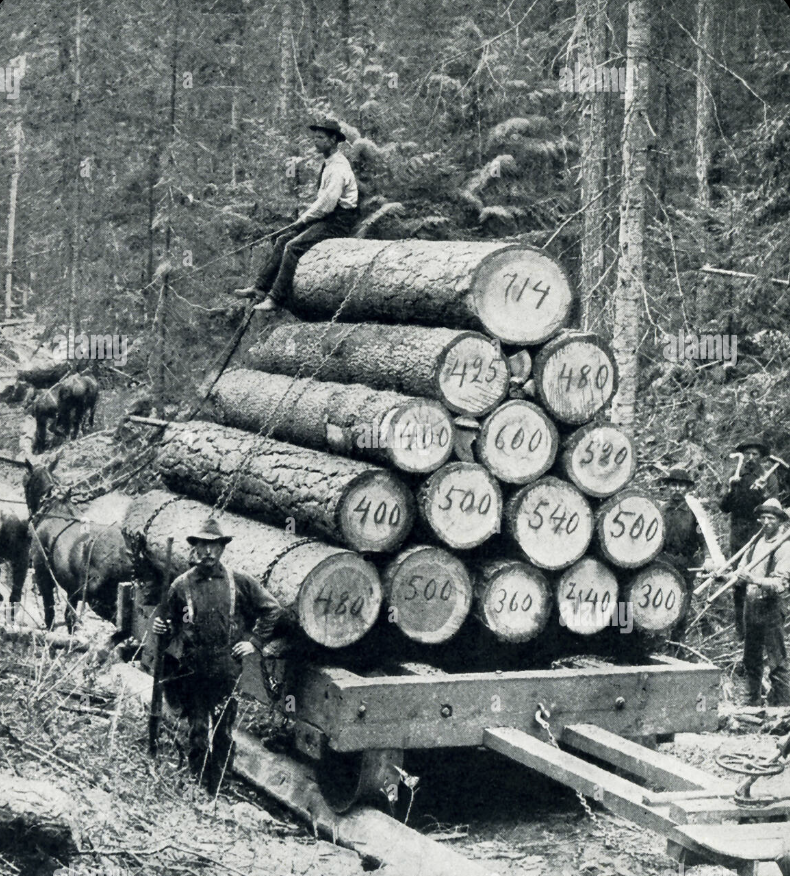
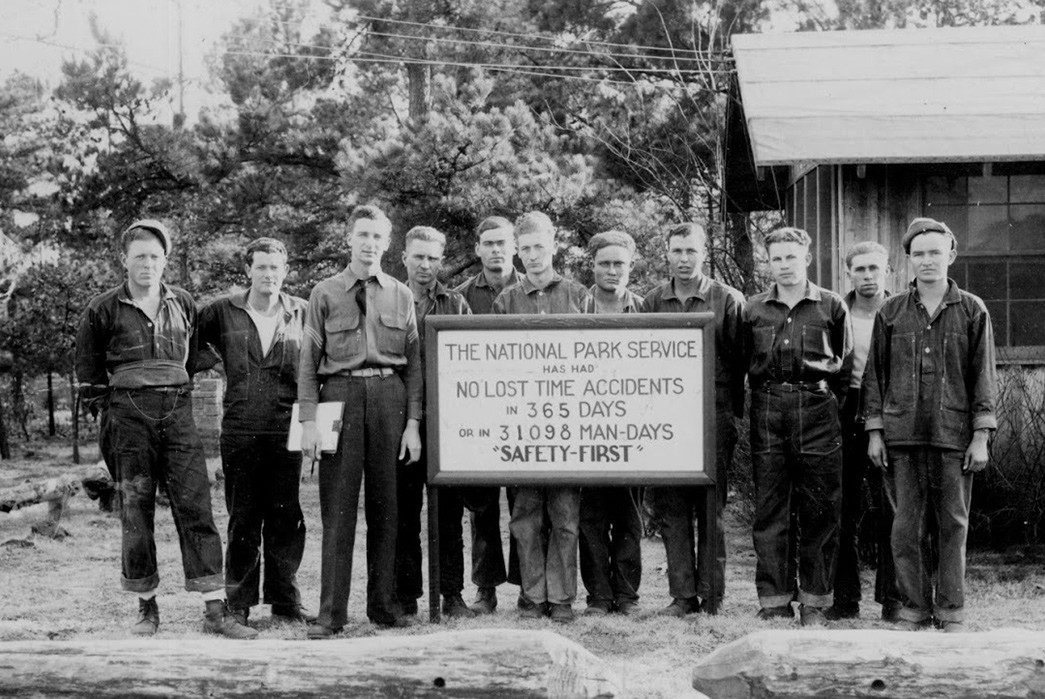
Historic workers and lumber scene from early 20th century Gainesboro

Early 20th Century and New Deal Era

The arrival of better roads and New Deal programs brought modest improvements. The Civilian Conservation Corps worked throughout the region, and local infrastructure gradually modernized daily life in Jackson County during the 1930s and 1940s.

Cordell Hull Lake and Modern Development

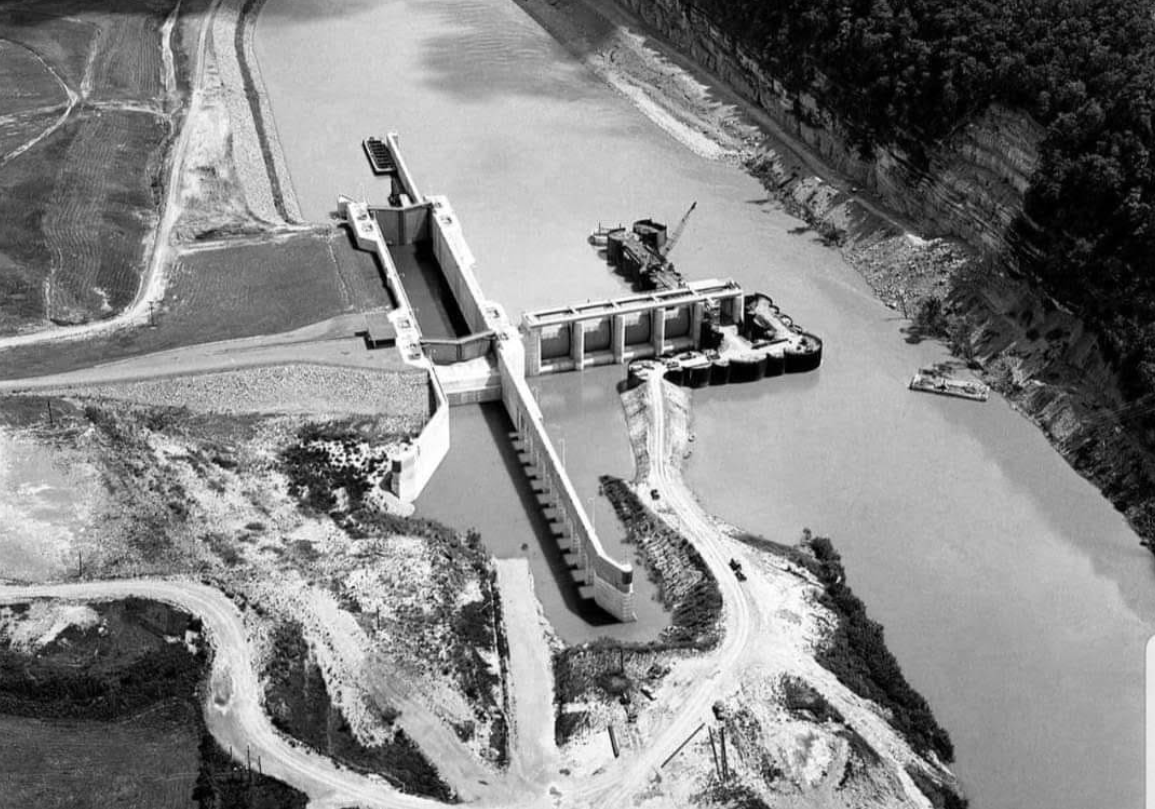
The construction of Cordell Hull Dam on the Cumberland River, completed in 1973, dramatically altered the local landscape. The resulting reservoir brought recreational tourism and economic activity, though it also displaced families and submerged historic bottomland farmsteads.

Historic image of Cordell Hull Lake and dam development
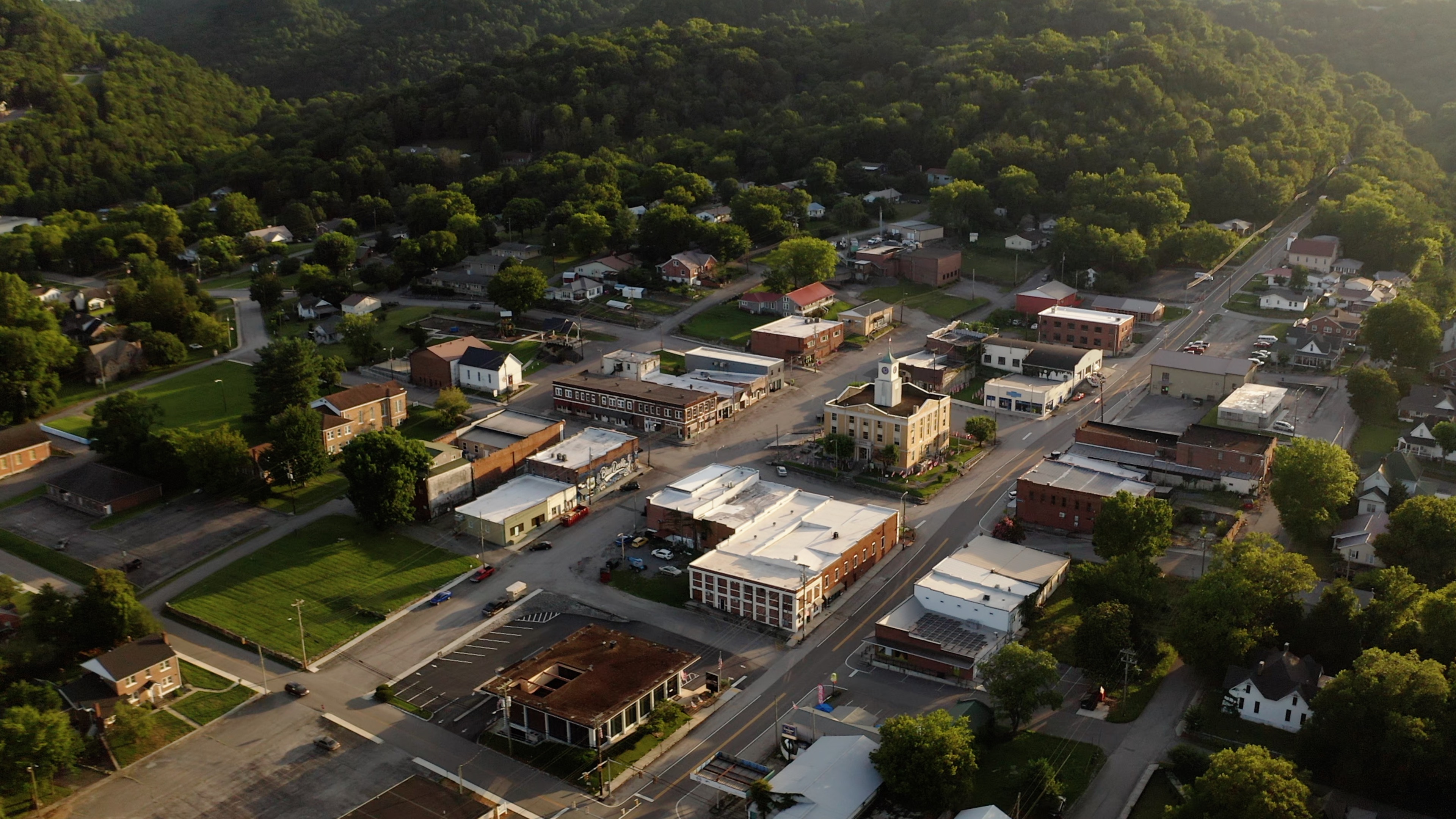
Aerial view of Gainesboro today

Gainesboro Today

Gainesboro remains a quiet county seat of roughly 900 residents, balancing its rural heritage with modest economic development. The town celebrates its connection to Cordell Hull, Franklin D. Roosevelt's Secretary of State and 1945 Nobel Peace Prize laureate, while modern visitors continue to value its location along the Cumberland River and the broader Upper Cumberland region.

Gainesboro has always been a center of movement - of people, of goods, and of ideas.

Long before the town was established, the territory was defined by natural abundance, water and the rhythms of the land. Indigenous communities lived along the Cumberland River and its tributaries for centuries, relying on its resources and pathways for survival and connection.

In 1817, Gainesboro was founded at the seat of Jackson County at the confluence of the Roaring River and the Cumberland River - an ideal location for trade and transport in early Tennessee.

Before the expansion of railways and modern roads, the Cumberland River served as the region's primary economic artery. Gainesboro quickly became one of the most important shipping points on the river above Nashville and a trading center for a wide surrounding territory.

Goods moved through town. So did people.

The Avery Trace, one of the earliest overland routes connecting East Tennessee to Nashville, crossed the Cumberland River nearby at Fort Blount, further cementing Gainesboro's role as a gateway between regions.

By the late 19th and early 20th centuries, the town's economy was closely tied to the land. Timber from the surrounding highlands was harvested and floated downriver to Nashville - sometimes in massive rafts stretching hundreds of feet - fueling a burgeoning furniture industry in Middle Tennessee. The journey downstream could take days; the walk back took nearly two weeks.

Gainesboro was active, industrious and connected.

In 1928, at the height of this activity, the Shamrock Hotel opened on town square to accommodate increasing travel. At the time, local accounts described Gainesboro as "the busiest town in the state."

But like many rural communities, Gainesboro's trajectory shifted in the mid-20th century.

As transportation evolved and industry centralized into larger cities, the importance of river-based trade declined. Opportunities pulled people toward Nashville, Knoxville and beyond. Over time, once-busy storefronts quieted, and the town settled into a slower, more languid rhythm - not stilled, but less visible.

And yet, the foundations never disappeared.

Courthouse square remained.

The buildings endured.
The community retained its identity.

In recent years, a new chapter has begun to take shape.

The Upper Cumberland region has seen renewed interest driven by its natural beauty, lower cost of living and proximity to larger cities. Visitors have long been drawn to the area for hunting, fishing, lakes and trails - but now, more people are choosing to stay, invest and build lives here. Small businesses have opened.

Local economies have strengthened. New energy has emerged - steady, not sudden. Gainesboro today is not a place being rediscovered.

It is a place being recognized again - for what it has always been.

A town defined by connection. By resilience. By the quiet strength of a community that has endured change without giving up on itself. And now, with thoughtful investment and care, that story continues - grounded in history, and welcoming the future.

Merch

Badge Tee

Badge Tee

Coming Soon

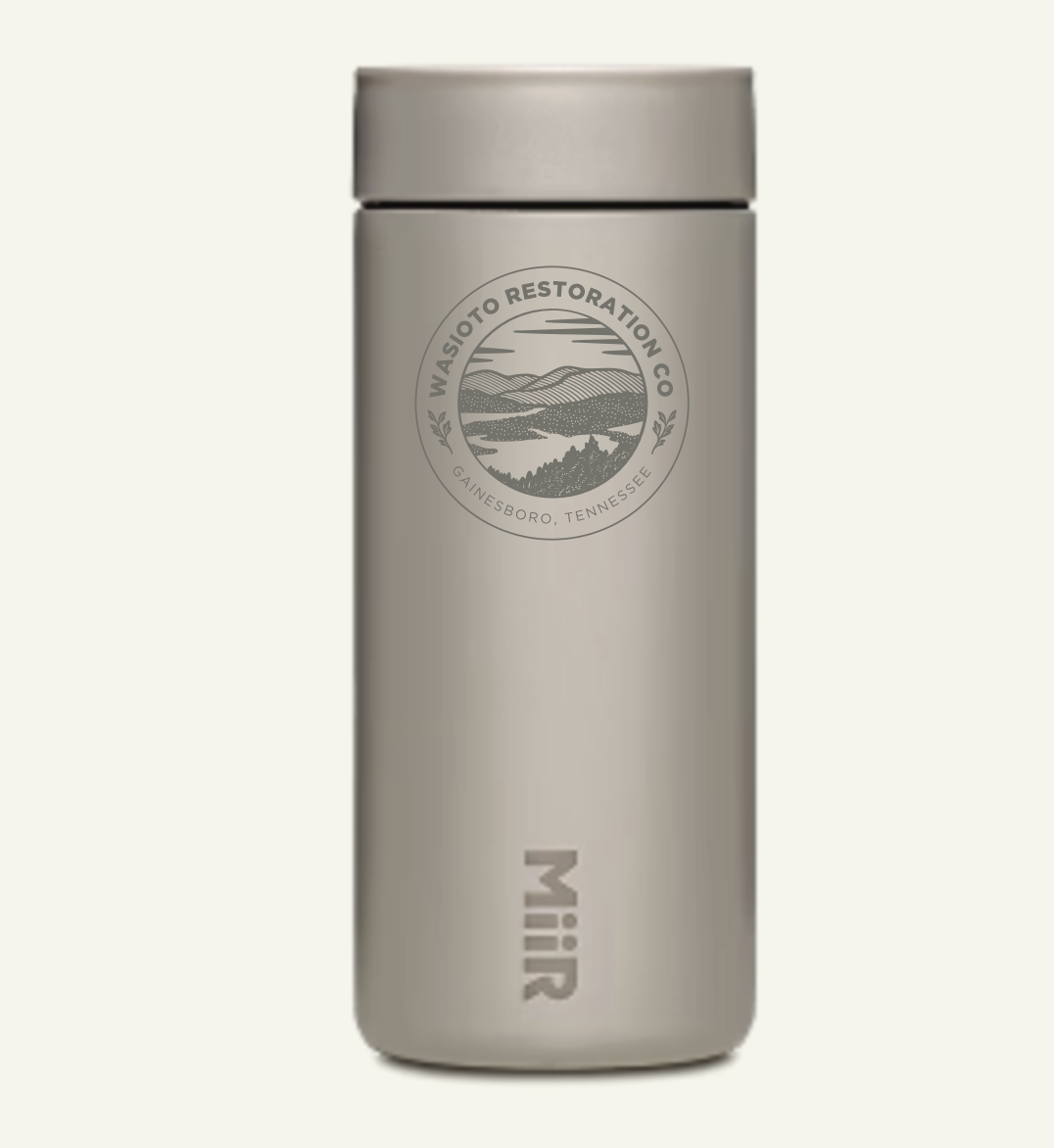
WRC Caffeinated Traveler

WRC Caffeinated Traveler

Coming Soon

Badge Cap

Badge Cap

Coming Soon